The first impression factor: Why interior design is worth the investment
First impressions of a space happen at the door, but their impact is long-term. What people feel when they enter a space carries through how they use it, how they remember it and whether they return.
ESa approaches interior design as a long-term investment in performance, longevity and cohesion. Our team goes beyond the initial moment to create spaces that function and feel right from the first encounter. In this second installment, ESa’s interiors team shares five ways thoughtful design delivers lasting value across sectors, from healthcare and hospitality to education and community spaces.
1. Drives long-term performance, not just aesthetics
Across sectors, interior design is not just the final touch. These decisions are often judged too early by cost, appearance or timeline, but their true value is revealed over time in how a space performs day after day.
“Good design is about problem solving and understanding how people move, heal and function in a space,” said Interior Designer Hayleigh Engelhardt. “When decisions are made holistically, the space is set up to truly work and stand the test of time.”
ESa applied this framework on Williamson Health’s Boyer-Bryan West Tower, a hospital expansion in Franklin, Tennessee. The design team paired a warm, hospitality-inspired aesthetic with durable, easy-to-clean materials and detailing that support infection control and daily operations, creating a space that feels welcoming while improving efficiency and safety.
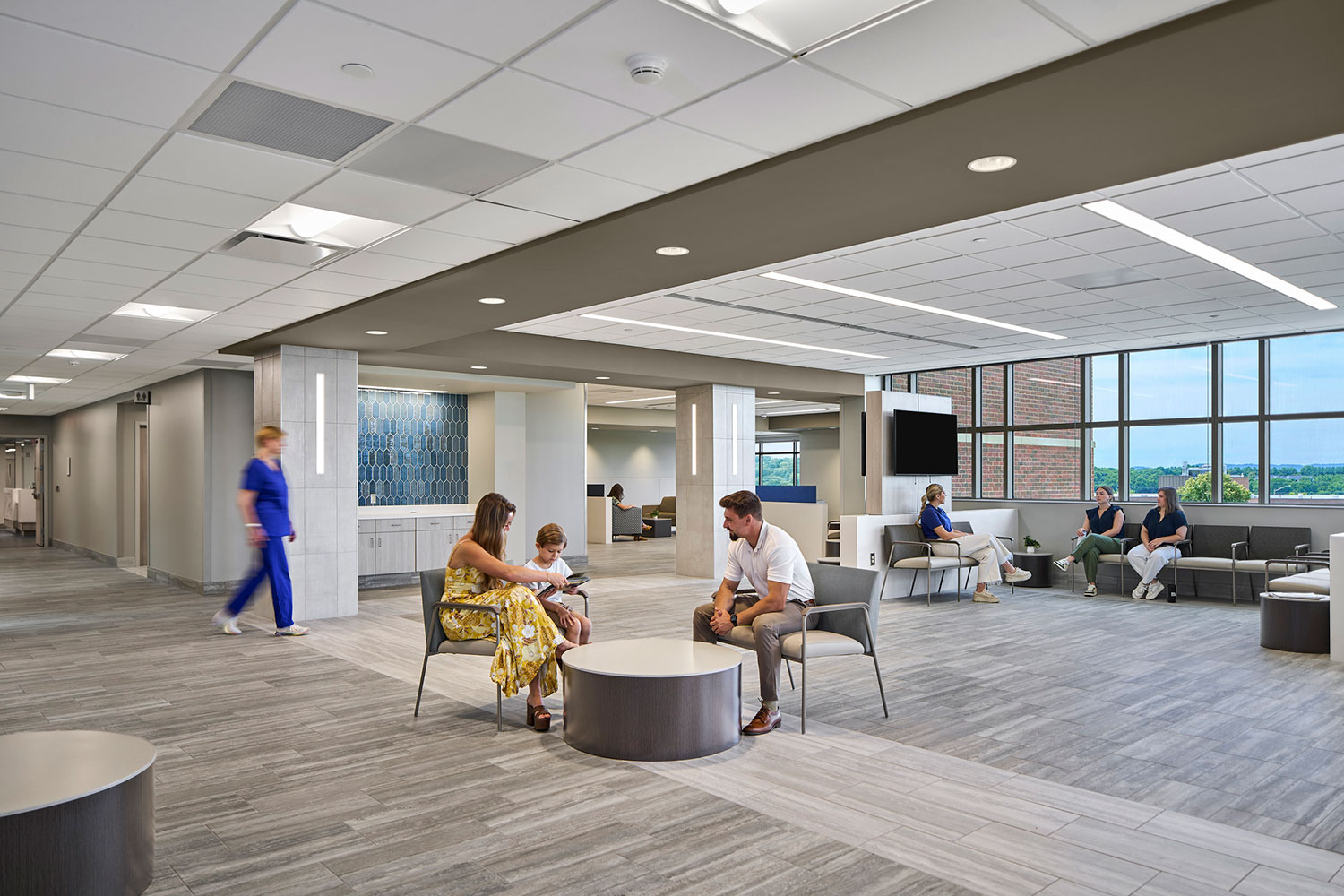
Williamson Health – Boyer-Bryan West Tower
2. Reduces future costs and operational friction
Spaces that work well over time anticipate real-world demands and hold up to daily use.
“Interior design is far more than selecting paint colors and pillows,” said Senior Interior Design Manager Leslie Ann Wilson. “Our work spans concept development, space planning, coordination and execution, delivering solutions are practical, code-compliant and built to last.”
Durable materials, thoughtful layouts and code-informed planning reduce maintenance needs, support staff and improve how a space operates across all of ESa’s projects. When interior design is built into the process from the start, it helps clients avoid costly missteps and creates spaces that are easier to maintain, operate and adapt over time.
3. Creates intuitive user experiences
The most successful spaces feel effortless because of early alignment. Architects may define the building’s shell, but interiors carry the vision through, bringing it to life in how the facility is experienced. When teams work from the same vision, circulation flows intuitively, materials feel intentional and the experience remains consistent from entry to exit.
“ESa’s continuous collaboration carries a project cohesively from the excitement of design through construction,” said Senior Interior Design Manager Jenny Harlan. “While often unseen, that level of coordination is an ongoing and invaluable benefit to our clients.”
For Senior Interior Design Manager Sarah Woodard, that alignment requires discipline. “All design choices should serve the story,” she said.
ESa’s hospitality work offers several examples of storytelling. At Sewanee Inn, the interiors draw directly from the university’s Gothic architecture and surrounding landscape, with locally sourced materials reinforcing a strong sense of place. The Bristol Hotel harnessed design that references the city’s railroad history, grounding the guest experience in something authentic rather than expected. Lastly, the Lodge at Fall Creek Falls’ materials, textures and views are intentionally layered to connect the built environment with the natural setting.
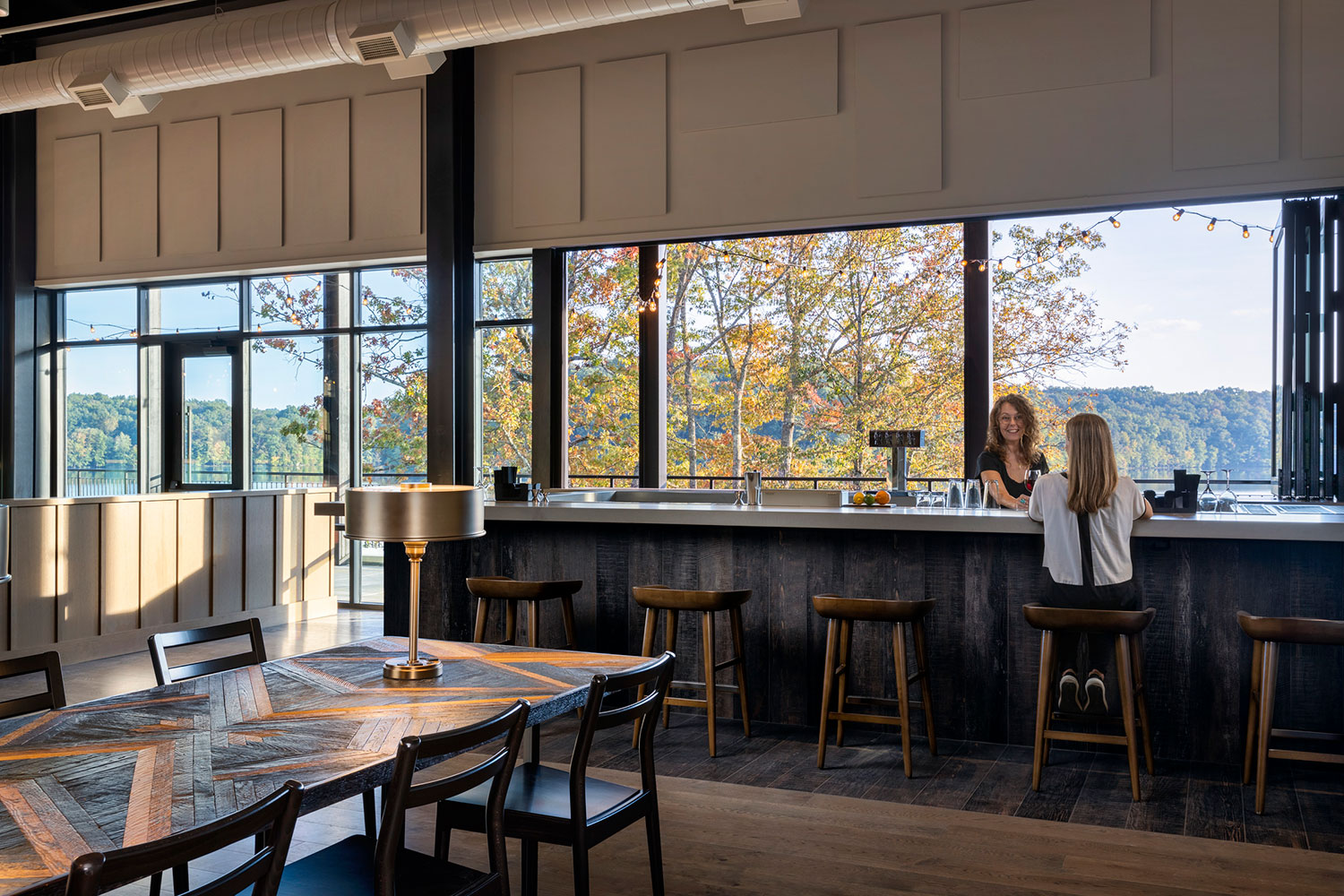
The Lodge at Fall Creek Falls
Senior Interior Design Manager Kearra Barkley emphasized that cohesion directly impacts how a space is experienced. “Purposeful changes that better support the user have the greatest impact on how people experience the space,” she said.
At McGuffey Hall at St. Paul Christian Academy, ESa reworked the existing layout to better support how students learn and interact today. The team opened sightlines, improved connections between classrooms and common areas, and created a more natural flow throughout the building.
“If all of the team members feel supported and communicate well, then it makes for a really great project,” said Interior Designer Madison Underwood. “That translates directly into how the space functions for the end user.”
4. Enhances emotional connection and perceived value
The impact of interior design often shows up in everyday moments – how a space feels, how people move through it and how they connect to it.
During the renovation of Brookdale Sarasota Midtown, an Assisted Living community in Florida, Wilson saw that impact firsthand. The renovation focused on the spaces residents use most often, including updated public areas and the addition of new amenities like a café. The design team refreshed furnishings, added new finishes and carefully selected artwork to improve daily experience.
“The investment in their environment made residents feel seen, valued and cared for,” she said. “Because we listened closely to their needs, the spaces became more functional and more uplifting for everyday living.”
Emotional connection influences how people experience a space, from patient comfort to guest satisfaction and employee pride.
Senior Interior Design Manager and Principal Alana Morris emphasized the importance of that connection. “Design that resonates with its intended audience creates a memorable, impactful and healing environment,” she said.
At Angel Medical Center, a replacement hospital in North Carolina, ESa reflected the surrounding community through material choices and design details, creating a space that supports care while remaining meaningful to those who use it.
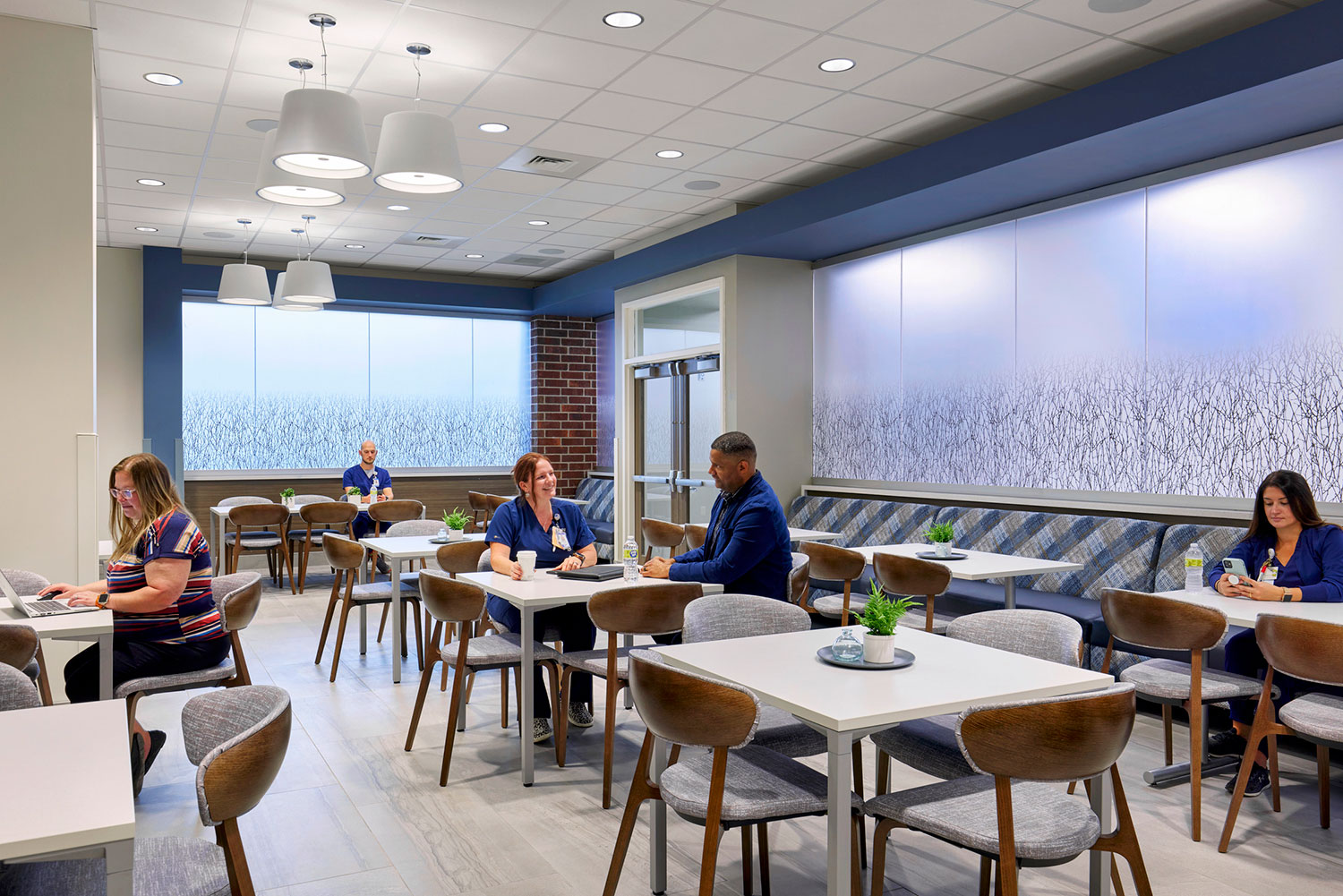
Angel Medical Center
5. Designed to adapt for the future
A strong interior design strategy accounts for what a space needs now and what it will need next.
“AI is changing our world at an incredible pace,” said Senior Interior Design Manager and Principal Tom Bauman. “We need to create spaces that are multi-functional, flexible and adaptable.”
Adaptability extends beyond technology. It includes how spaces evolve with users, operations and expectations. When design is considered early, spaces can respond to change without constant rework.
Interior design is not a finishing touch. It is a strategic investment that supports performance, reduces friction, strengthens identity and helps spaces hold up over time. If you’re planning a new project or renovation, ESa’s interior designers can help you think beyond the first impression and design for what comes next. Contact us to discuss your next project.