Reintroducing ESa: A peek behind our Community + Arts work
Ben Metz, AIA, NCARB, LEED® AP
Randy Nale, AIA
Daniel Judy, AIA, NCARB
Austin Young, Associate AIA
A night at the theater, a Sunday service, a day at the zoo or a summer at camp all form lasting bonds between the physical place and the people within them. At ESa, we refer to our work on these places as “designing for the soul” because each project gives people permission to enjoy the world around them and connect more deeply with others. In short, Community + Arts projects remind us why life is worth living.
The “Reintroducing ESa” blog series looks back at the projects and philosophy that defined the firm’s reputation while spotlighting how its architects are designing the future. Community + Arts holds a special place in the firm’s history and its current repertoire. As a Nashville-based team, our designers are committed to ensuring Music City stays true to its roots while offering new, exciting opportunities for residents and visitors alike.
A legacy of community building
Earl Swensson, who founded ESa in 1961, had a passion for Nashville’s civic and cultural life, and the relationships he built helped ESa earn work for the symphony, opera and ballet. His involvement helped the firm understand what arts organizations needed long before design began and established trust to take on work it had never done before.
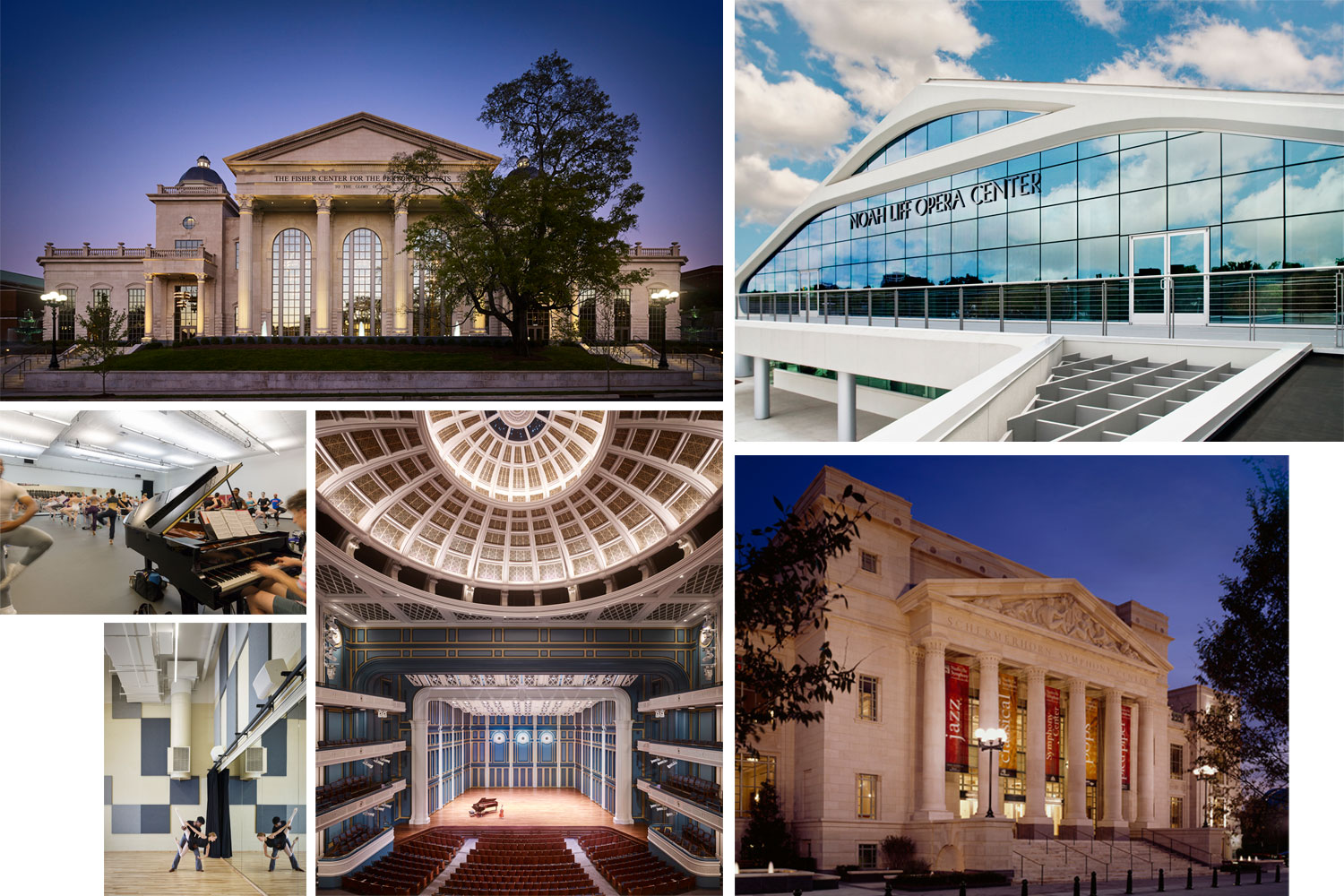
The Schermerhorn Symphony Center marked a turning point. As architect of record for the 1,900-seat concert hall, ESa helped translate world-class acoustics and complex performance requirements into a welcoming civic destination designed to host everything from symphony concerts to community events. That experience prepared the firm to take on other flexible venues, including the Fisher Center for the Performing Arts at Belmont University, where a 1,700-seat theater, recital halls and adaptable gathering spaces support opera, dance, theater, education and special events.
Earl understood that architecture’s greatest impact extends beyond physical structures, shaping the communities and culture that grow within them. His philosophy continues to influence today’s leaders designing Community + Arts spaces nationwide.
Making Music City sing
Contributing to Nashville’s vibrant cultural life is a rewarding way our team can give back to the community we live in, but also informs how we can apply our work here, nationally. Whether designing locally or in a new market, ESa’s approach starts with understanding what a community values, and in Music City, that means acoustics.
Acoustics shape the experience of music for everyone involved, from the musicians creating it to the audiences listening. Designing these spaces requires an understanding of how sound, functionality and the needs of performers come together. ESa brings that expertise to projects like the scoring stage in Berry Hill, a purpose-built space for creators, and the Steve and Judy Turner Recital Hall at Vanderbilt University, where the team enhanced acoustics and functionality while keeping the active venue operational.
Nashville is known for music, and designing spaces where people create lasting memories is one of the pleasures of practicing architecture in our hometown.
Orchestrating unseen work in community spaces
Whether creating an engaging visitor experience or supporting the people and operations behind it, successful design considers every space and how it works together.
At the Fisher Center, ESa designed around loading, staging, performer circulation and technical coordination, making performances look effortless. ESa applies the same rigor to the full guest journey. During a “day at the theater” walkthrough, the team considers how someone arrives, enters and finds a seat while tracing the separate paths of performers, staff and equipment.
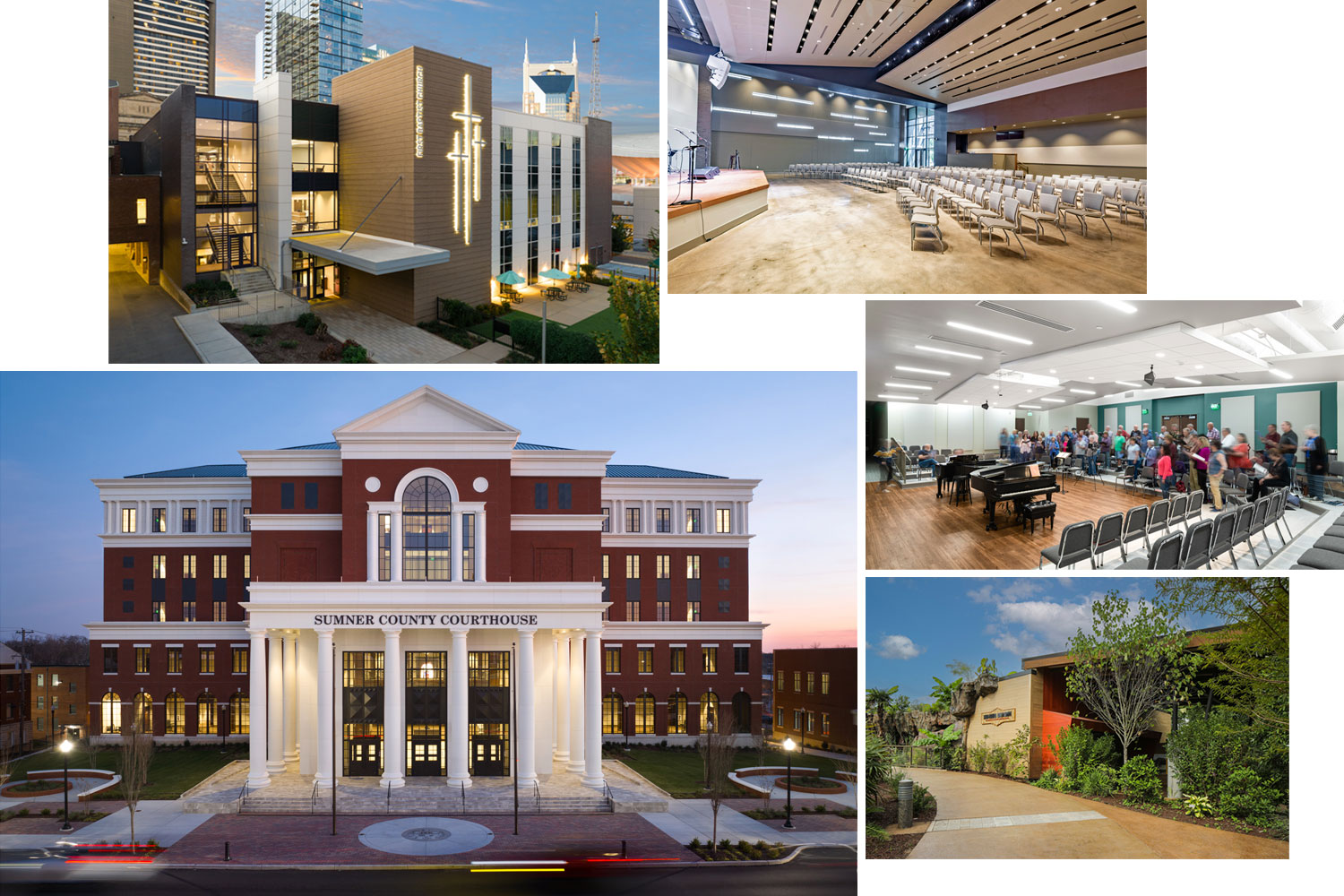
That balance is important well beyond performance venues. At a church, for example, the experience of worshippers must work in tandem with the spaces and functions that support ministry operations. At the Nashville Zoo, engaging exhibits and visitor experiences depend on equally thoughtful spaces for animal care. And at civic facilities, welcoming public spaces must be designed alongside the security measures and operational needs that keep the building functioning. Each project starts with understanding its purpose and the people it serves, allowing ESa to create environments where the public experience and behind-the-scenes work complement one another.
Stewardship over generations
Communities often count on these spaces to outlast most other building types. A city may build a performing arts center once in 50 years, while a historic theater may predate the current end users. These places carry collective memory, public investment and a sense of ownership that architects must earn the right to shape.
As funding for Community + Arts spaces grows scarcer, ESa’s involvement matters even more. Architects participate in town halls, support fundraising materials and develop early concepts that help rally communities around a shared vision. On historic projects like the Crockett Theater in Lawrenceburg, Tennessee, we see ourselves as stewards of not only resources but also memories and hopes for the future.
These buildings must hold up as investments as much as works of design. At the Palladium Theatre in St. Petersburg, Florida, where construction is underway, the theater’s mission to keep performances affordable for the community helped shape the project budget.
Within the firm, stewardship is generational too. Architects who established ESa’s Community + Arts expertise work alongside leaders who grew up admiring those projects, and younger designers shaping what comes next. Knowledge passes forward, then gets tested against new challenges.
Creating what communities carry forward
Nashville is where ESa began designing for the experiences that make a community feel like home. That work continues in Music City and in communities with traditions and ambitions of their own.
ESa’s responsibility is to listen closely and use decades of experience to respond to new technology, expectations and voices without losing sight of whom each place serves. The goal is a place people return to and that belongs to the community long after the project is complete.
Read the other entries in the Reintroducing ESa series to see how this same philosophy shapes the firm’s healthcare and hospitality, commercial and residential work.