The next phase of the amenity arms race
Lee Davis, AIA, NCARB, LEED® AP BD+C, ISHC
Ryan Terrell, AIA
Hospitality, residential and commercial developments have entered an “amenity arms race,” competing for the flashiest features that look great on a tour or opening day, whether anyone uses them or not. In the last decade, essentials like fitness centers and pet facilities have been upgraded to extravagant spas, creative studios and virtual reality perks.
After years of designing across sectors, we have seen the same pattern emerge: many trending amenities are not booking more rooms, retaining residents or making workplaces more appealing as hoped. The next competitive edge for developers and owners will come from knowing what deserves investment, should be right-sized or is better left out.
An emerging trend: Convenience is the new luxury
Luxury has often been expressed through finish, scale and exclusivity. Those qualities still matter to users, but convenience is becoming equally powerful. Often, amenities that remove friction from a person’s day, like secure package handling, flexible reservation systems, well-placed storage and charging access, are seen as more valuable and make a space feel intuitive.
This is where hospitality has a lot to teach other sectors. A great hotel experience is choreographed from arrival with each moment lining up the next. The best mixed-use, residential and commercial projects are beginning to think the same way. They are designing sequences rather than separate amenities.
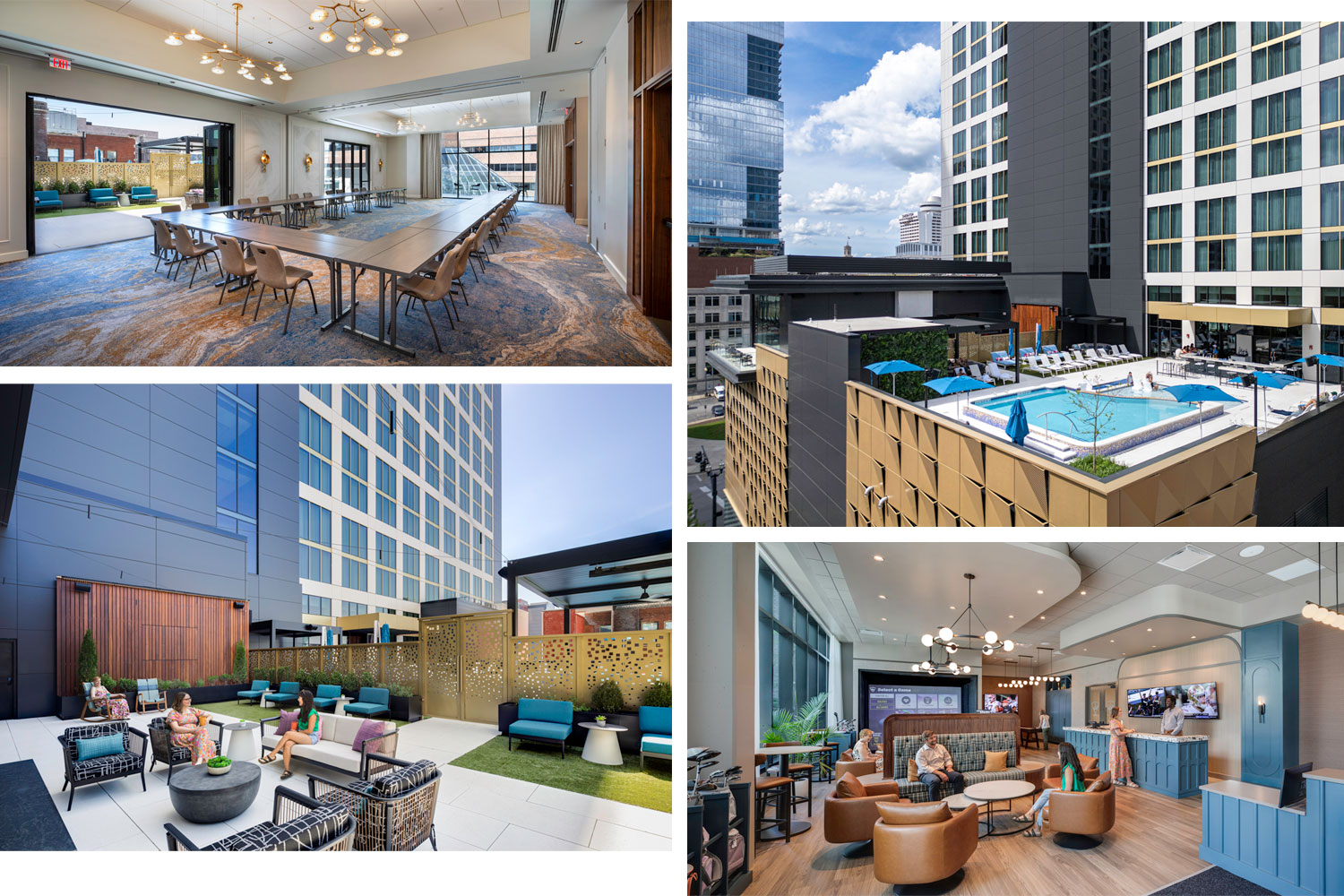
At Tempo by Hilton, rather than defaulting to an obvious Nashville reference, the amenity strategy was shaped around the rhythm of a creative traveler’s day. Meeting rooms, outdoor connections and social spaces were designed to give visitors chances to focus and gather. The sequence feels connected to Nashville without turning the building into a theme.
Convenience is not only about saving time. In lifestyle and boutique environments, convenience is about making the experience feel aligned with the person the property was designed to serve. Properties in those categories are not trying to appeal to everyone, so the amenities must reflect a particular pace, preference and way of living. At its best, convenience becomes part of the atmosphere, subtly signaling that every detail was considered for the person moving through it.
The 3 amenities that are here to stay
Amenities rise and fade with the market, but over the years, wellness, outdoor space and coworking continue to prove their value because they make daily life more convenient and respond to how people actually want to live, work and stay.
1. Mindful living
Wellness or fitness rooms are one of the strongest commonalities across hospitality, residential and workplace design, and the standards are higher than ever. A few treadmills in a dim, leftover room no longer provide the respite people are seeking. The most successful wellness spaces give users a sense of privacy or control within their day without having to book another appointment. Movement and recovery areas make feeling well part of the property experience, shaping how people remember the space and why they choose to return or renew.
The team behind Pendry Nashville and Pendry Residences Nashville at Paseo South Gulch evaluated amenity programming through the lens of the user and ultimately shifted away from a golf simulator toward a larger fitness and recovery environment. The decision recognized which space would support a wider range of daily use and better align with the property’s brand promise.
In luxury environments especially, wellness needs range. Some users want intensity and the social energy of a studio, while others want an experience that feels closer to a spa. Designing around daylight, acoustics, circulation and materials for the full spectrum creates more long-term value than chasing the latest trend.
2. The great outdoors
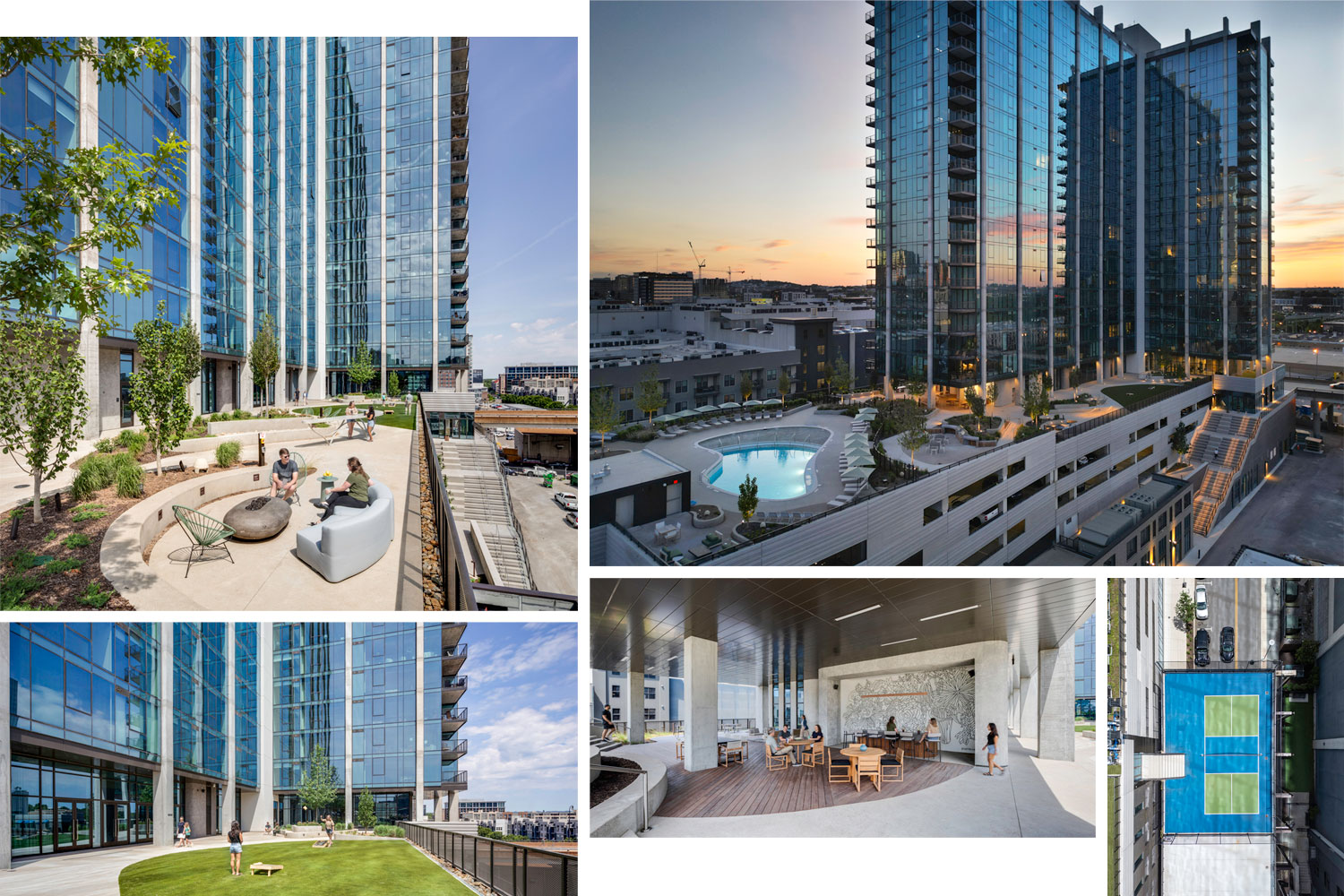
Outdoor environments continue to be one of the safest long-term investments for similar reasons. Immediate access to fresh air adds a layer of everyday ease, giving users a place to enjoy without leaving the property. Pool decks, gardens and rooftop lounges support social connection, food and beverage revenue, events and brand identity. However, outdoor space only works when it is placed and programmed with intention. A rooftop delivers value when the view, service model and surrounding uses support the experience. An outdoor deck beside meeting space can extend an event environment. A residential amenity deck can offer access to the outdoors that residents cannot get inside their units.
For owners, the key is to study the site before defining the program to determine: what views are protected, where the sun hits, what can be served and what will feel different here than it would on the next block. When location and amenity strategy align, the result is much harder for competitors to copy.
At 1111 Church Street, the outdoor amenity space became a main feature because the site supported it so well. Protected views, adjacency and access to open air is as much of a resident perk as it is part of the property’s identity. Without those conditions, outdoor square footage can become decorative instead of durable.
3. The neighborhood office
Coworking spaces have recently moved from novelty to necessity, particularly in residential and mixed-use environments. People increasingly work remotely or hybrid, but they do not always want to work from their kitchen table. They want a professional setting without leaving the building, privacy for calls and reliable technology. Coworking gives users the convenience of choice, so they can shift from home to work and vice versa without the commute.
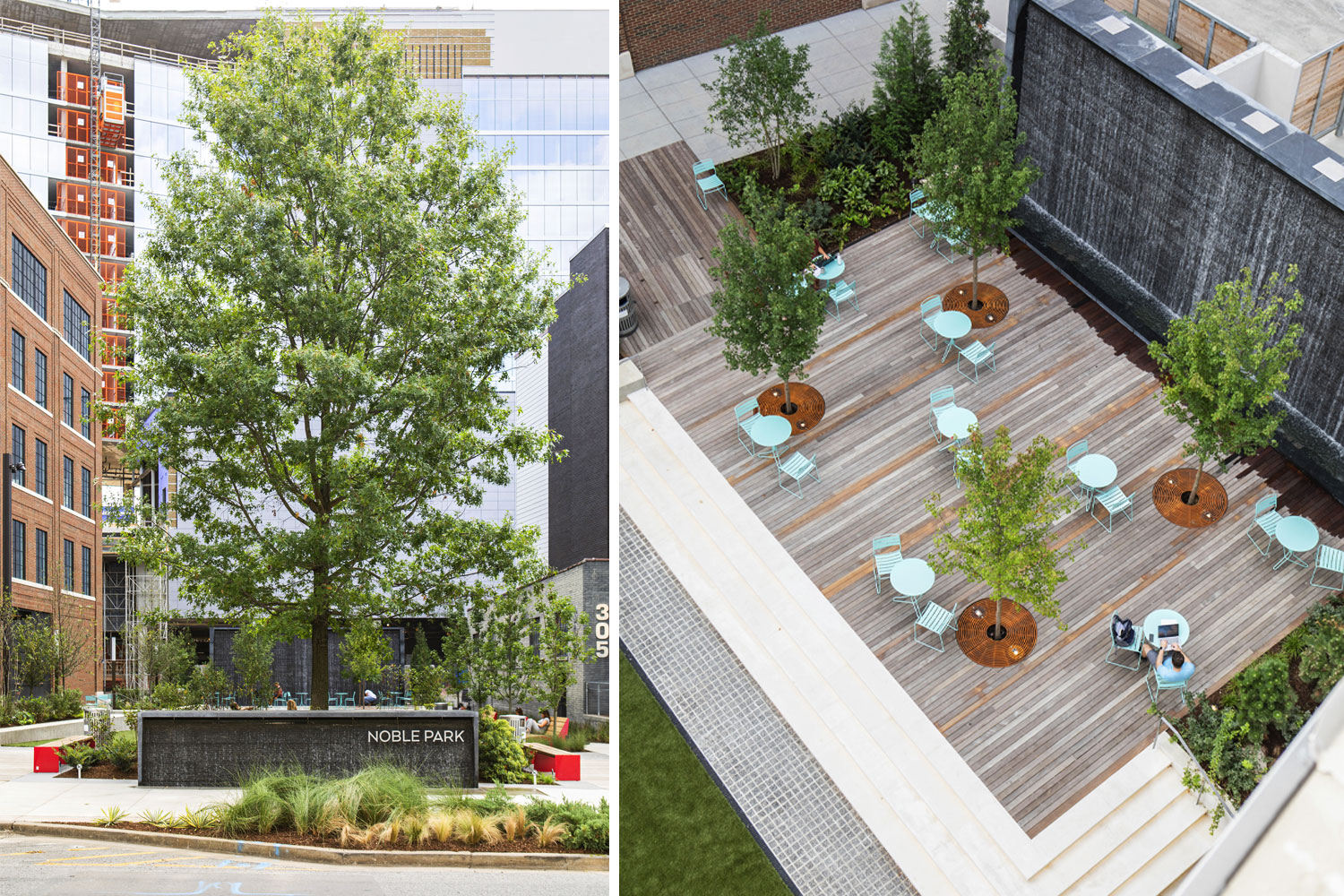
On a commercial scale, 333 11th Ave. South brings the neighborhood office to workers. The project is intentionally designed below maximum height standards to create room for Noble Park, an open space that serves residents, office workers and visitors. Ground-floor restaurant and retail space, outdoor gathering areas and a park programmed for community events provide a workplace experience that extends beyond the desk. The amenity is the ability to move between work, food, fresh air and the surrounding neighborhood with ease.
In many cases, smaller rooms designed around work patterns are more valuable than one large shared table. The same thinking applies to offices. As companies rethink the workplace, amenities need to offer something people cannot get at home, whether that is better wellness space, expanded food options, childcare support or hospitality-inspired settings that make the office day feel less rigid.
These trends prove that lasting amenities make life easier, more restorative or more connected, giving people a reason to return time and time again.
6 steps to evaluate amenities
Smart amenity strategy starts with restraint. Every amenity does not deserve prime space, and every competitor feature does not require a response. Comps can help establish expectations, but using them as the design brief leads to sameness with better finishes. A stronger approach evaluates each amenity through six filters:
- Audience: Who is the amenity for, and what daily behavior does it support?
- Story: How does it connect to the identity of the brand and the character of the place?
- Use: Will people return to it after the leasing tour, site visit or opening weekend?
- Site: Do views, daylight, access or adjacency make the experience stronger?
- Flexibility: Can the space evolve in five years as expectations change, or is specialty infrastructure required?
- Operations: Does the value justify the square footage, cost, staffing and maintenance?
Amenity decisions should be tested early with the full project team. Architecture, interiors, planning, operations, branding and market strategy all shape whether a space will perform. When those perspectives are aligned from the beginning, amenities can be evaluated as part of the building’s larger experience rather than treated as isolated features.
ESa’s cross-sector lens gives developers and owners even better insight. We incorporate service through our hospitality experience, design for daily routines informed by our residential work and keep people coming back to shared environments from what we’ve learned on commercial projects. Excellent amenity planning borrows from all three without copying any one of them outright.
The next era of the amenity arms race will be defined by doing more with less. It’s time that developers and owners prioritize amenities that make the property more livable, memorable and valuable over time. If not, the square footage is probably working harder somewhere else.
Are you considering amenities as part of your building plan? Talk with ESa’s design team to identify where investment will create lasting value.