How ESa’s Oasis Study aligns with the firm’s design DNA
Wendell Brown, AIA, NCARB, LEED AP
ESa’s Oasis Study started with an unexpected exchange.
At a university event, principal Wendell Brown simply asked the campus’ president how things were going. He confided that his greatest concern wasn’t enrollment or endowment, but the mental health of his students.
That conversation struck a chord and revealed a gap between how higher education environments were being designed and how students felt within them. As the world navigated the isolation and uncertainty of the COVID-19 pandemic, that disconnect only deepened. Mental health was at record lows, and ESa saw an opportunity to respond with intent.
“As architects, we believe space matters,” Wendell said. “It can inspire, influence and even change our mood. We wanted to test how design could spark well-being in tangible ways. Design isn’t therapy, but it can help people through difficult days.”
Born from that conviction, the Oasis Study is a research-driven charrette that explores how architecture can support mental wellness. Wendell led the project with several volunteers from ESa’s Education and Healthcare teams. Their approach was rooted in curiosity and human-centered design. It also exemplifies the values founder Earl Swensson wove into the firm’s DNA.
“Our founder built a culture of research,” Wendell said. “We’re not just vendors hired to produce drawings. We’re professionals pushing the industry forward.”
What began as an internal exploration soon evolved into a lens for how ESa approaches real-world projects and client dialogue.
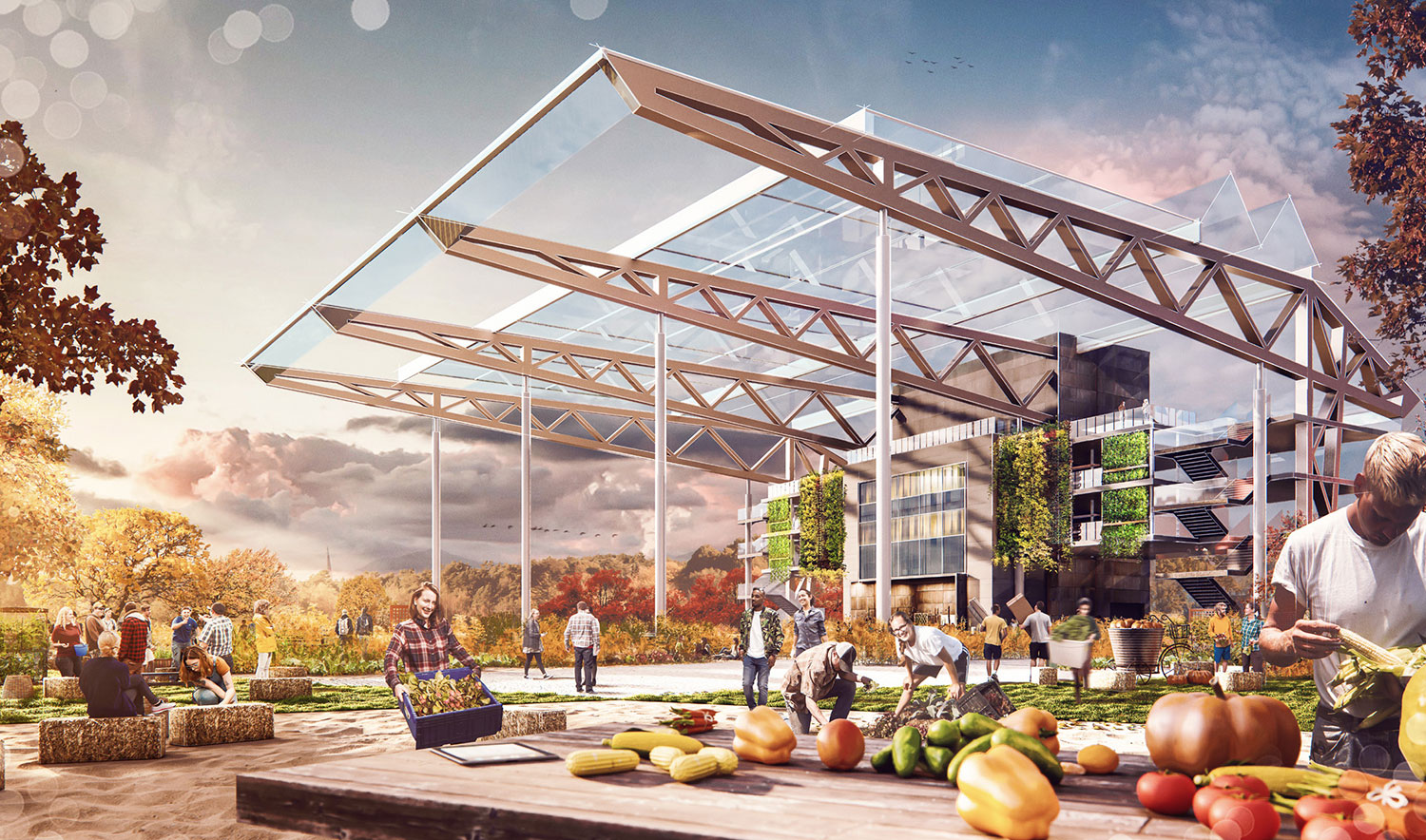
Turning campuses into oases for student well-being
The initial concept was straightforward: create a single “wellness center” on campus where students could go when they were struggling. While logical in function, it also carried an unintended message. The building silently declared, “This is where people go when they’re depressed,” inadvertently perpetuating mental health stigma.
That realization led ESa to rethink the premise entirely. The team explored interdisciplinary research, drawing inspiration from frameworks like Clarion University’s Wellness Wheel – which encompasses emotional, intellectual, physical, social, environmental, financial and spiritual components – and studies on dopamine triggers and environmental psychology.
“We moved from a ‘go to the wellness building’ idea to ‘meet students where they already are,’” Wendell explained. “Distributing pavilions across campus reduces stigma and increases everyday access.”
The team envisioned a trail-like system of pavilions that students might naturally encounter between classes or while taking a walk. They discovered that the activities happening within each pavilion were just as important as the design. The result was a network of pavilions with programming focused on social, creative, reflective or active experiences to boost mood and build connection.
“Too many systems ask people to conform to logistics first. For example, healthcare that isn’t patient-centric or schools modeled on one-size-fits-all efficiency,” Wendell said. “Oasis argues for environments designed around well-being, because architecture isn’t about how it looks; it’s about how it makes you feel.”
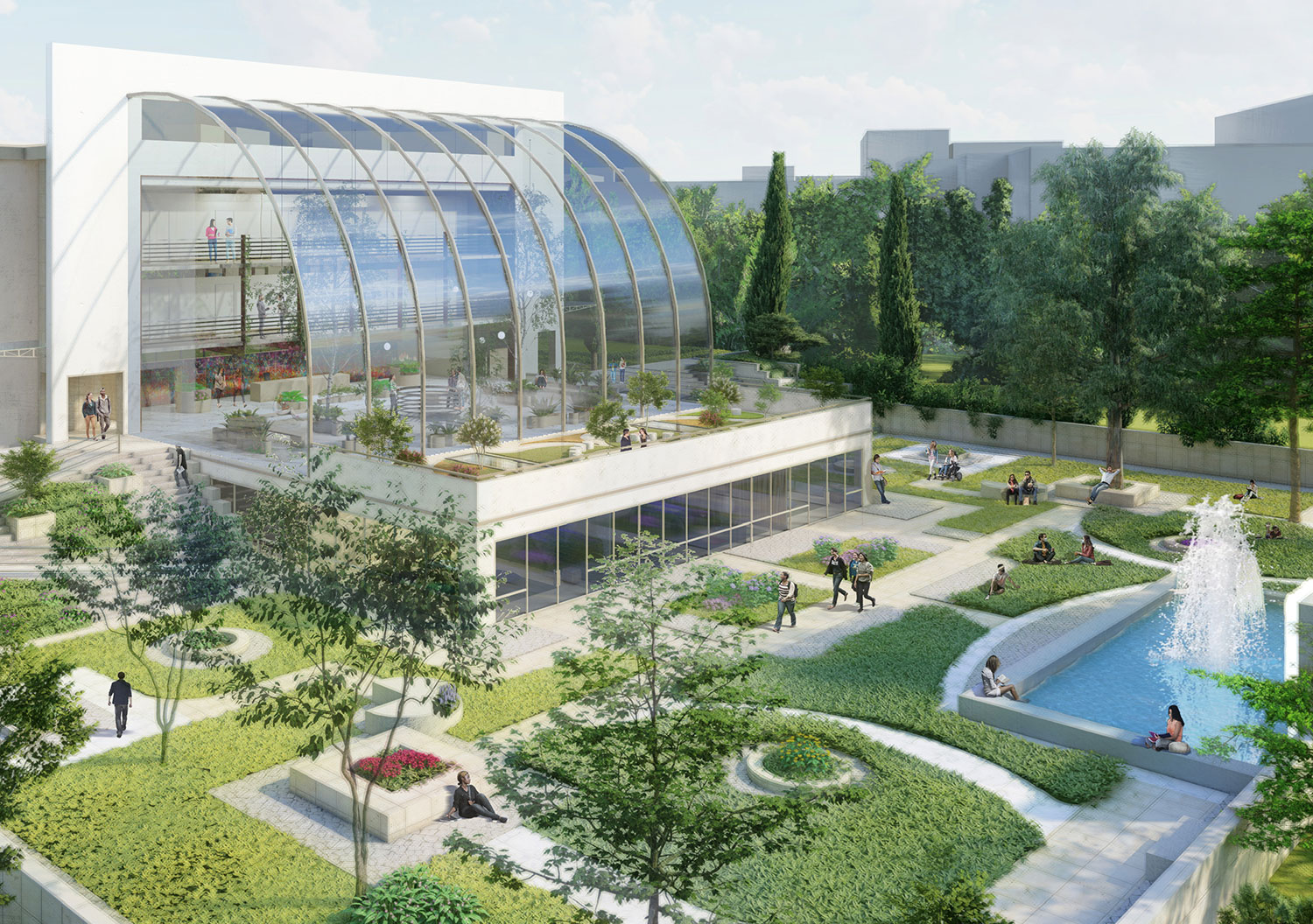
The culture of curiosity that shapes ESa’s work
The Oasis Study underscores two fundamental beliefs of ESa: architects must be curious, and wellness is at the heart of every design.
From early concept exploration to post-occupancy evaluations, ESa’s team translates what they’ve learned into actionable insight. Innovation isn’t novelty. It requires testing ideas, measuring outcomes and refining design based on human experience.
Even small details can influence well-being. For instance, a door placed behind a podium can heighten a professor’s anxiety, while balanced proportions of open and private space can promote comfort, autonomy and engagement.
“Architecture is the backdrop of our lives,” Wendell added. “When we get the details right, that backdrop helps people feel safe, cared for and ready to engage.”
The Oasis Study reaffirms that good design is not only functional, it’s empathetic.
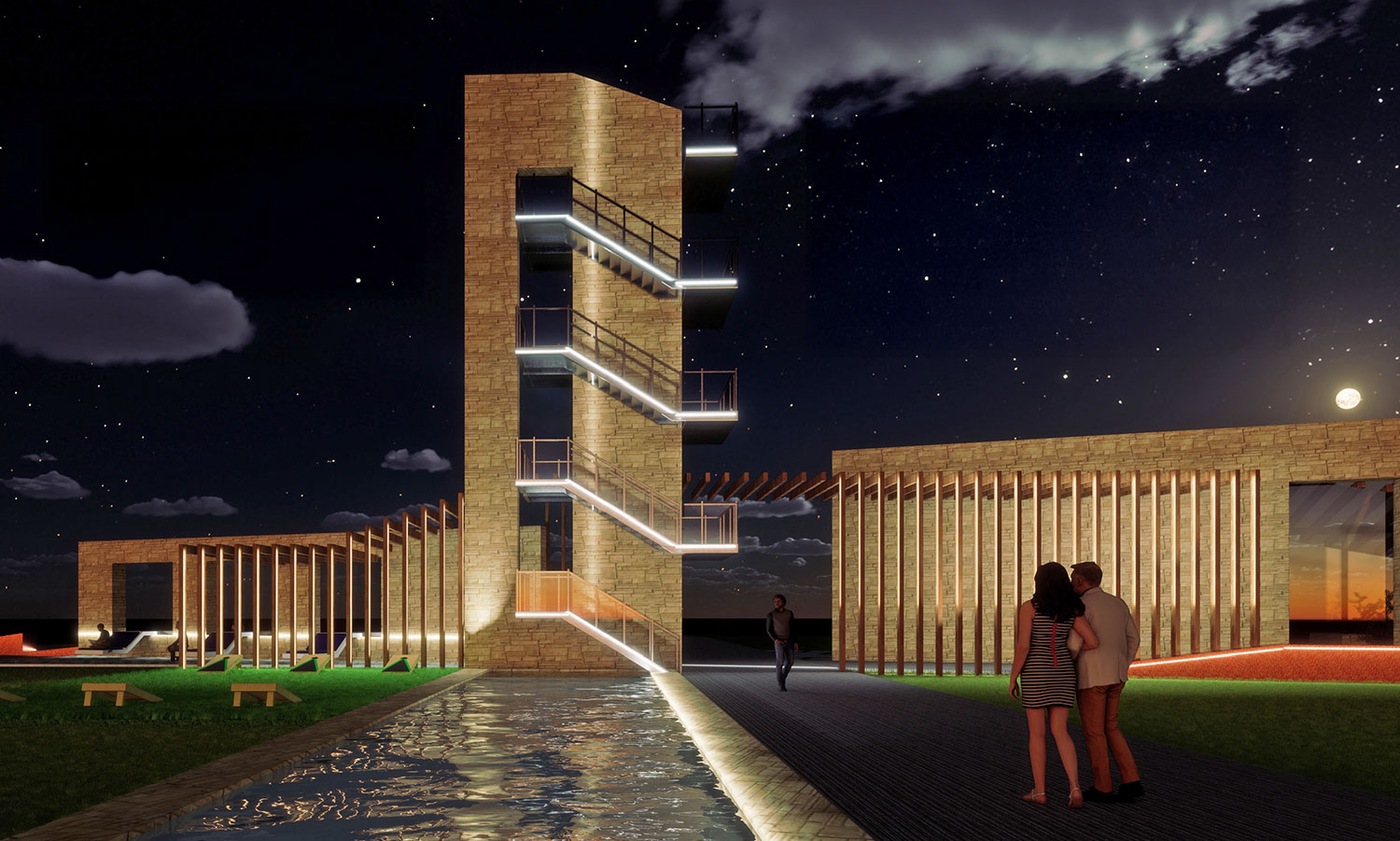
From study to real-world change
The Oasis Study started as a thought exercise, but it has directly informed client work. When ESa partnered with Moravian University on the transformation of its Haupert Union Building (HUB), the design team incorporated many of the same principles explored in the study. The project introduced a wellness suite and pursued WELL certification, a performance-based framework that measures how buildings support health and comfort, to better align student spaces with well-being goals.
“Partnering with ESa opened our eyes to what a wellness-centered campus could look like, and it inspired us to pursue WELL certification,” said Bryon Grigsby, Moravian University president. “We expect these choices to support student well-being in ways our community can feel every day.”
For ESa, that’s the real measure of success. The Oasis Study demonstrates how design can foster connection, reduce stigma and promote holistic wellness across the built environment. ESa remains committed to carrying these lessons into every sector, from healthcare to hospitality to higher education.
“This isn’t a trend for us. It’s our ethos,” Wendell concluded. “Our job is to design places that make hard days a little easier and good days even better.”